The Balkans · In depth
The Balkans, with love
The Balkans, with love

Photo Credit
Image courtesy of © Dekanski · CC BY-SA 4.0 via Wikimedia CommonsAbout The Balkans, with love
An introduction to the Balkans and our Balkan guides: the cafés, markets, food, wildlife and seasons the region shares.
Pull up a chair
Some places are visited. Others are returned to, again and again, until they feel like home. The Balkans are that kind of place.
Morning begins in a small café. The first coffee arrives thick and sweet; at the next table two old men set up a chessboard that has seen a few thousand games, and within ten minutes there is an argument about the opening, a joke at someone’s expense and a third friend pulling up a chair to offer advice nobody asked for. Nobody is in a hurry. Nobody ever seems to be. That, in a sentence, is the Balkans: a place that asks you to slow down, sit a little longer and become part of the conversation.
The Balkans have a way of turning visitors into regulars.
Every border here has a story, and the region’s history is long and layered. This is a celebration of what its people share and are proud of: the table, the café, the market, the mountains and rivers, and above all the welcome. In Albania that welcome even has a name, besa, the pledge of honour that makes a guest sacred.
A history lesson you can eat
Start at the table, because everybody here does. Balkan food is history you can taste. The Ottomans brought the grill, the stuffed peppers and the paper-thin filo; the Austro-Hungarians brought their coffee houses, cakes and grand hotels; and each town has quietly made it all its own.
You’ll meet ćevapi everywhere, little grilled fingers of minced meat with soft bread, raw onion and a spoonful of kajmak, and you’ll hear passionate, good-humoured opinions about whose are best; every town is sure its own are. You’ll eat burek warm from the bakery in the morning (in Bosnia, ask for sirnica if you want cheese). In North Macedonia, a clay dish of tavče gravče, slow-baked beans, will see you through a cold afternoon. On the Dalmatian coast there’s pašticada, beef braised for hours in wine, the kind of dish families argue about at Christmas. In Sarajevo, try begova čorba, the “bey’s soup”, silky with chicken and okra. Up in the Montenegrin mountains, kačamak, a cornmeal porridge rich with kajmak and cheese, is what shepherds ate to keep warm, and it still works, while the village of Njeguši gives Montenegro its smoked ham, njeguški pršut, served with cheese and a glass of wine. In Albania, tavë kosi, lamb baked under a golden crust of yoghurt and egg, is the dish of celebrations. In Slovenia, potica, a rolled cake swirled with walnuts, is baked for every holiday. And everywhere, a plate of tomato, cucumber, onion and pepper under a snowfall of white cheese, šopska salata, which every country in the region makes its own way.
The living room of the city
If the kitchen is the heart of the Balkans, the café is its living room. Whether it’s an old kafana with a band warming up in the corner or a sunny terrace on a pedestrian street, this is where the city meets itself. Grandparents, students, business people, the man who fixes your shoes: everyone has a table, and everyone has an opinion. Coffee isn’t a takeaway here; it’s an hour, sometimes two. In Sarajevo it arrives in a little copper džezva with a cube of sugar and a piece of rahat lokum; in Ljubljana it comes with a view of the river; in Zagreb, Saturday morning is špica, when the city dresses up for coffee on the terraces around Cvjetni trg; in Tirana, the cafés of the Blloku spill out onto the pavements, and at dusk the whole city joins the xhiro, the slow evening stroll along the boulevard. Sit down, order a coffee, and let the city come to you.

Photo Credit
Image courtesy of © Adam Harangozó · CC BY-SA 4.0 via Wikimedia CommonsA town within a town
Then go to the market. The pijaca, or pazar, is where you really meet a place. Arrive early, when the farmers are still stacking peppers into glossy red walls and the cheese sellers are cutting you a taste before you’ve asked. The regulars are greeted by name, the bargaining is half business and half theatre, and if you don’t share a language, a smile and a pointed finger will do; you’ll probably leave with more than you bought, because someone will slip an extra apple into your bag. Split’s green market under the walls of Diocletian’s Palace, Ljubljana’s Central Market by Plečnik’s colonnades, Belgrade’s Kalenić, Skopje’s Bit Pazar, Tirana’s New Bazaar: each is a town within a town, and each tells you more about daily life than any museum.
Silhouettes at dawn
Get up early once, at least. On the Danube, on Lake Ohrid and along the Adriatic, the fishermen are out before anyone else, small boats and still figures against a sky going from grey to gold. In Zemun, on Belgrade’s Danube front, it’s one of the loveliest sights in the city, and the swans that live on the river there all year round glide between the boats.
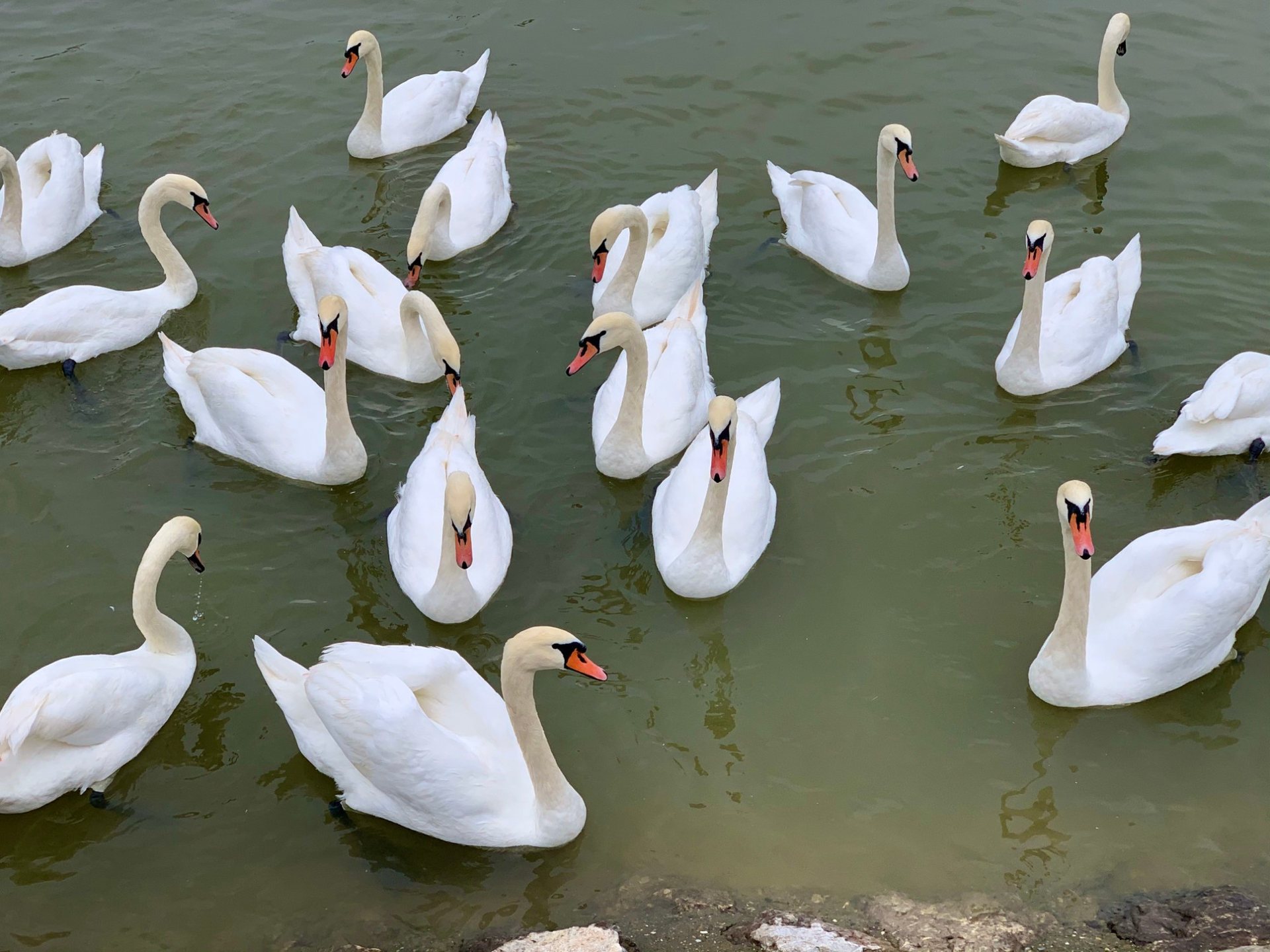
Photo Credit
Image courtesy of © ULTIMATE International MediaThe wild is never far away. Right in the middle of Belgrade, where the Sava meets the Danube, Great War Island is a protected haven for birds, and a pair of white-tailed eagles, among Europe’s largest birds of prey, nests there. In Bosnia, the Una tumbles through a valley of waterfalls; in Croatia, the sixteen lakes of Plitvice step down a wooded valley; and in Slovenia, Lake Bled and its island church sit beneath the Julian Alps. On Lake Skadar, shared by Montenegro and Albania, Dalmatian pelicans nest among the reeds, and the Bay of Kotor drops so steeply into the sea that it feels like a fjord.
Every season has its spirit
Come in any season and you’ll find a different region. Winter turns the river towns into postcards and the mountains into ski country. Spring brings the first coffee outdoors. Summer is long evenings, open-air cinema and the sea. And autumn, perhaps the loveliest season of all, sets the hills on fire with colour; Zlatibor, whose name means “golden pine”, glows amber, and in villages across Serbia you can smell the plums; in North Macedonia’s Tikveš valley the vranec grapes come in, and in southern Albania whole families gather in the groves for the olive harvest. That’s rakija season across the region. Šljivovica, the plum brandy, is poured to welcome guests, to toast weddings and to see off the cold; along the coast the grape version, loza, does the same job with equal pride, and every family is sure its own is the best. Accept the glass. It’s not a drink, it’s a handshake.
Ten of the best, country by country
Each of these places has its own page in our city guides, chosen and checked by our editors.
How to use these guides
Everything in our Balkan guides has been chosen and checked by our editors: the cafés worth an hour, the markets worth an early start, the restaurants where the locals book, the hotels we’d send our own families to, and the practical things, from airport buses to the scenic railway down to the sea. There’s no advertising dressed up as advice and no star ratings, just honest, verified recommendations. For a longer read, turn to The Balkan Soul.
So pull up a chair. Order another coffee. Stay a little longer than you planned. The Balkans have a way of turning visitors into regulars. These guides are here to help you become one.
Why it's on our list
- Pull up a chair
- A history lesson you can eat
- The living room of the city
- A town within a town
- Silhouettes at dawn
- Every season has its spirit
- How to use these guides
Festival dates, opening times and seasonal services change, so please check with each place directly.